Speakers
Full bios and session details for all confirmed speakers and presenters.
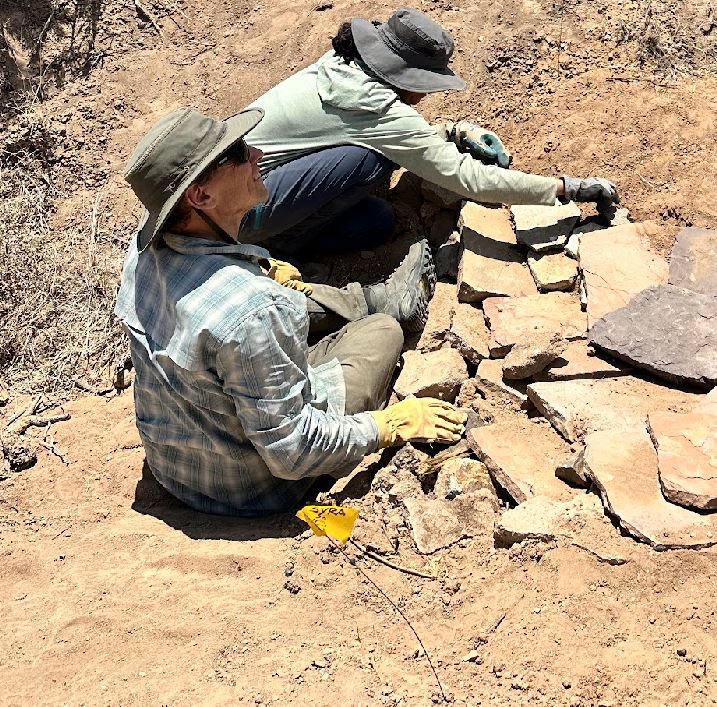
Jan-Willem Jansens
Ecotone Landscape Planning
Water is Life: Cultivating Roots, Connections, and Movement
Jan-Willem will explore solutions to the conundrum of the aridification of large parts of Earth through the proposition of "seeing things whole". In his introduction he will propose three principles that balance his approach to the conundrum, like three stones balance the cooking pot of our nourishment and three legs balance the stool of the elder who shares from her or his wisdom: rootedness, connections, and movement. He will summarize the process of aridification in the face of a growing world population; introduce his thoughts on the concepts of rootedness, connections, and movement; and share some thoughts about the directions in which we might seek solutions. He will present some of his experience with solutions that have shown promising outcomes in New Mexico and what regenerative approaches among people and on the land we might consider to address our water conundrum.
Keynote · Friday · 10:00–11:00 am
Building Erosion Control Structures · Friday, Saturday & Sunday · 3:00–5:00 pm
Jan-Willem Jansens is an ecological planner with expertise in landscape-scale planning and ecosystem restoration. Jan-Willem started his career as a student and researcher of agroforestry at the Kenya Agricultural Research Institute (KARI) and the International Centre for Research in Agroforestry (now World Agroforestry Centre - ICRAF) in Nairobi, Kenya. He subsequently worked for three years as a forestry advisor in Niger, West-Africa. In 1993, he moved to New Mexico to work as a rural development specialist for the Forest Trust. In late 1997 he started his own business in forest and watershed restoration and was the executive director of Earth Works Institute. He presently is the owner and principal of Ecotone Landscape Planning, LLC, in Santa Fe, New Mexico. In the last three decades, Jan-Willem led or participated in several landscape-scale watershed restoration initiatives. He designed and oversaw the implementation of restoration projects in piñon-juniper ecosystems, in streams and wetlands, and in forest and post-fire areas. He holds a master of agricultural sciences degree with specializations in landscape architecture, forest ecology, and soil and water conservation from the Wageningen Agricultural University in The Netherlands.
Read bio ↓
Joyce Skeet
Spirit Farm
Wild Plants, Herbs and Churro Sheep
Explore the realm of plants, their energy and medicine. Dive into some herbal formulas using local plants that benefit our well-being. Then take a journey several hundred years ago to immerse ourselves with the Landrace Churro Sheep, exploring the incredible traits they carry with them into the current century.
Keynote · Friday · 11:15 am–12:15 pm
Herbal Preparations · Saturday · 3:00–5:00 pm
Joyce Skeet and her husband, James, co-founded Covenant Pathways and Spirit Farm, a 501(c)(3) nonprofit organization in Vanderwagen, New Mexico. Raised in Pennsylvania, Joyce learned agriculture, animal husbandry, and food preservation at an early age as part of a lifestyle centered on living off the land. In 2015, Covenant Pathways launched Spirit Farm, which uses all natural methods to restore the land and keep animals healthy. Joyce is passionate about healthy soil and meaningful connections with plants and animals. She focuses on growing practices that increase the nutritional value of food and on raising animals in ways that restore the land and produce healthy meat.
Read bio ↓
Mike Halverson
Santa Ana Native Plants, Pueblo of Santa Ana
Botanical Walk
Botanical Walk · Friday · 1:30–2:15 pm
Mike Halverson is the Nursery Manager at Santa Ana Native Plants, located on the Pueblo of Santa Ana. With decades of experience in the high-desert Southwest, he specializes in growing plants for restoration, pollinator habitat and cultural importance.
Under his leadership, the nursery produces over 250 native species used in restoration projects across the region, including Tribal natural resource programs.
Mike is also a passionate educator, sharing knowledge on native plants, water conservation, and climate-resilient landscapes. His work reflects a deep understanding of Southwest ecosystems and a commitment to restoring them.
Read bio ↓
Austin Unruh
Trees for Graziers
Growing Resilience Through Trees For Food and Fodder
Integrating trees into the agricultural landscape is having a time of re-emergence. We will look at the work currently being done, compare that to the historic use of trees on the landscape, highlighting the tension of how we can pay for large scale plantings when farmers often have little margin and it takes years for trees to offer much in return. We will close by examining the opportunities and strategies to use trees to create resilient, productive food systems in the southwest.
Presentation · Friday · 2:15–3:00 pm
Austin Unruh is the founder and CEO of Trees for Graziers (TFG), a company helping farmers in Pennsylvania and beyond take their grazing to new heights using silvopasture. His goal is to make silvopasture as easy and cost-effective as possible for farmers, which is why TFG offers everything from planning and funding acquisition to planting and aftercare, while also growing silvo-specific nursery stock and educating the public and conservation professionals about silvopasture.
Read bio ↓

James Skeet
Spirit Farm
Bio Cosmology and the Use of Biochar
Changing our paradigms to become more indigenous by weaving insights from 40,000 years of ancestral knowledge that connects the heart and soul to the earth that escorts us into a new awareness of agriculture. Examine Indigenous farming and biochar perspectives that regenerate the land and food systems so that soil health, environmental health and human health can prosper.
Keynote · Saturday · 10:00–11:00 am
Biochar in Practice · Friday · 3:00–5:00 pm
James Skeet is the co-founder of Covenant Pathways and Spirit Farm, a 501(c)(3) nonprofit organization. He is passionate about connecting the heart and soul of all peoples to the land through Indigenous Regenerative Intelligence that integrates the ancient wisdom of Native cosmology to create a haven where soil health, nutrient rich foods, human health, and free markets can prosper for another 10,000 years. His heritage has assisted in grounding him in the work he does as a full-blooded Navajo Native American from Vanderwagen, New Mexico where he and his wife, Joyce, have an experiential farm that uses only natural practices including microbiological composting to heal the high desert southwestern soil — a living example of how we can recover and reclaim traditional farming and spiritual practices to transform our way of life and health, reducing the dependency on the very food system that is harming us.
Read bio ↓
Indra Shekhar Singh
Indigenous Decentralised Water Management and River Revival
This talk will about ways to survive using indigenous water wisdom and community science to revive rivers and construct water structures. During the talk we shall go over the principles which are universal and the talk will also tell the story of how communities using low tech nature based methods have gained water sovereignty and dignity.
Keynote · Saturday · 11:00 am–12:00 pm
Indra is an independent writer and agricultural policy analyst with extensive experience in agroecology, seed sovereignty, water conservation, and agrarian politics. He previously served as Director of Policy and Outreach at the National Seed Association of India and currently hosts India's only bilingual agri-talk show, Krishi Ki Baat / Farm Talks, on The Wire.
Over the years, Indra has travelled through hundreds of villages across India, working closely with farmers on regenerative agriculture, indigenous seed conservation, sustainable farming practices, and community-led ecological restoration. He has delivered more than 200 lectures worldwide on agroecology, environmental issues, water conservation, and agrarian politics, including invited talks at the International Labour Organization (ILO), leading Indian and American universities, and international farmers' and seed forums such as the Rocky Mountain Seed Festival.
For the past five years, Indra has also been working closely with Rajendra Singh, widely known as the "Waterman of India," to study and promote traditional water rejuvenation systems across India. Through this work, he has trained hundreds of people from around the world in indigenous water conservation techniques and has participated in the revival and construction of ponds and decentralized water systems in different regions globally. He is also the international coordinator and outreach director for Jal Biradari, India.
Recently, he was invited by the President of Colombia as an international expert to advise on water policy and peace reconciliation efforts in the country. He has also worked with various state governments and central government institutions in India on drafting and advising policies related to water conservation, agriculture, and ecological restoration. At present, he is actively involved in efforts to revive three rivers in Rajasthan and two rivers in Chhattisgarh, India.
In 2022, Indra was invited to deliver a lecture series across several universities in the United States, including American University, Washington DC, and George Mason University. He is currently associated with American University, DC, as a guest research mentor, guiding undergraduate and graduate students on issues related to agriculture, sustainability, ecology, and public policy.
Indra has authored over 500 articles on agriculture, environment, water, and politics for prominent national and international media platforms. He is also frequently invited to participate in television and digital news debates on agrarian, environmental, and policy issues.
In his early twenties, Indra was mentored by Dr. Vandana Shiva and worked with Navdanya as Campaign Manager and Media Spokesperson. He continues to actively engage in seed conservation and is an avid urban food gardener.
Read bio ↓
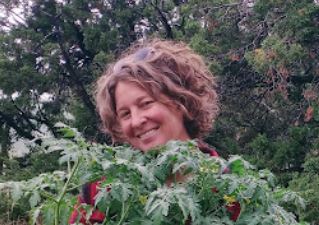
Amanda Bramble
Ampersand Sustainable Learning Center
We Are The Land and Waters
Restoring the land is not just something done "out there." We are the land and waters. Techniques for living in harmony with the elements of our place are not new. Developing lifestyles that allow us to live appropriately with the changing availability of our resources is totally possible. The future asks us to streamline, and people are responding. Developing islands of coherence and hubs of resilience is essential. Connecting them is how we will thrive. In this presentation Amanda will share about the work of Ampersand Sustainable Learning Center and how mentorship and facilitating connection expands our possibilities, and invite discussion among the participants to promote cross-pollination.
Keynote · Saturday · 1:30–2:30 pm
Amanda Bramble is the director and systems designer at Ampersand Sustainable Learning Center in Cerrillos, NM. She teaches about permaculture, greenhouse design, natural building, passive solar, watershed restoration, and water conscious systems. She designed and crafted Ampersand's infrastructure to cultivate respectful and conscious relationships with the natural elements that support life. She guides apprentices and interns at Ampersand and teaches at local colleges and educational organizations. Amanda's Earthstar mentorship program focuses on not only teaching skills but weaving the community support structures essential to creating a vibrant future.
Read bio ↓
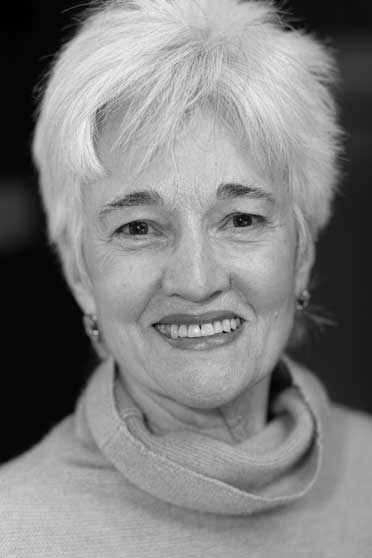
Chili Hawes
Step by lucky Step
How do you build a cultural vanguard that survives and thrives for half a century? You don't just build it with bricks and mortar; you build it with structured thought. In this talk, Chili Hawes—longtime collaborator of the visionary John Allen, presents useful tools that formed the intellectual framework that birthed the October Gallery, Synergia Ranch, and global projects around the planet. Moving from abstract philosophy to practical application, she reveals how using these geometric thought-structures forwardly organised October Gallery's mission, the creation of the Transvangarde.
Keynote · Sunday · 10:15–11:00 am
Chili Hawes, FRGS, is one of the Founders of October Gallery and Director since its opening in 1979. A native of the Rocky Mountains, she obtained a BA in French Literature from Colorado College, followed by a year at the Sorbonne and post-graduate work in Linguistics at Claremont Graduate School and has taught at all levels of the educational system both in the USA and Australia. A founder and director of Institute of Ecotechnics (www.ecotechnics.edu), she has managed various ecological projects in the high desert of New Mexico, the Outback of Australia and the south of France. She has travelled widely including major research trips for the October Gallery to India, Melanesia, Peru, Southern Africa and Fiji.
Read bio ↓
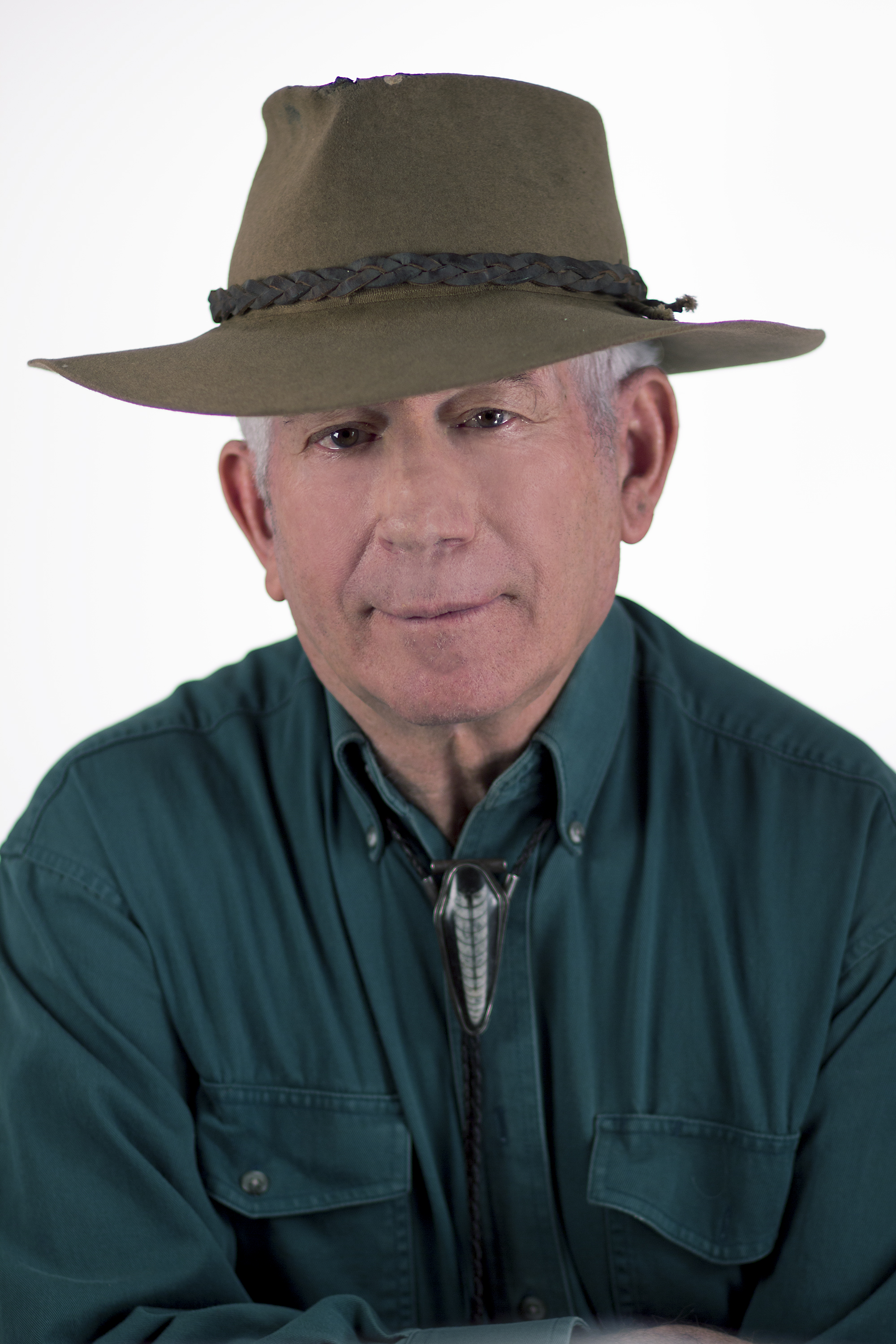
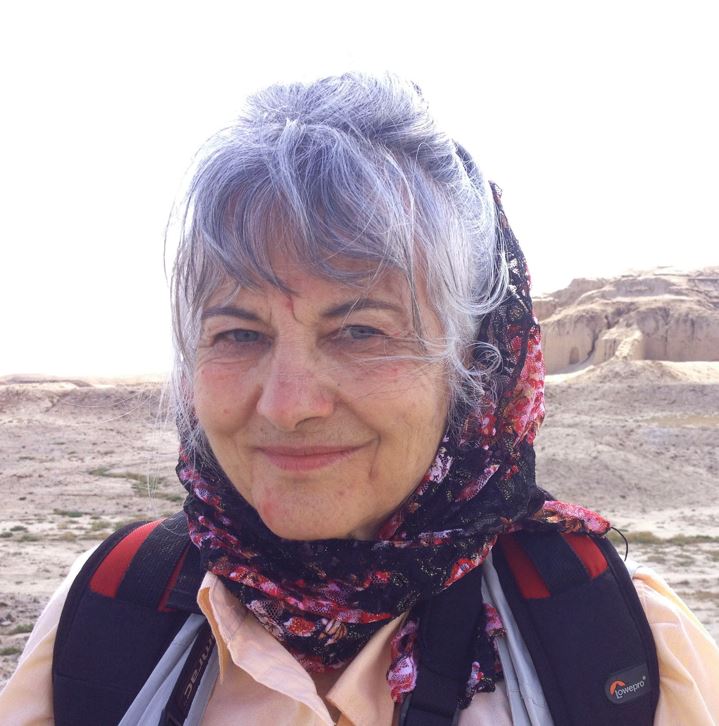
Dr. Mark Nelson
Director, Institute of Ecotechnics
Meridel Rubenstein
Artist · Project Director, Eden in Iraq Wastewater Garden project
Restoring Eden: A Demonstration Project Challenging the "Waste Water" Paradigm and Celebrating Sustainable Cultures
The talk will showcase an environmental and humanitarian project for the Marsh Arabs of southern Iraq. Their culture is one of humanity's oldest, as they lived for thousands of years in and with the historic marshlands of the Fertile Crescent. The Eden in Iraq pilot project will celebrate their rich eco-cultural legacies while dealing with the problems they and the marshlands face in a climate change world of water scarcity and water wars. The Wastewater Garden technology uses a nature-based approach and represents some of the new thinking about how to treat and reuse sewage to create beautiful green parklands, treating it as a renewable natural resource. This contrasts with the paradigm in wealthy countries where sewage is seen as a toxic waste requiring expensive infrastructure and resources to neutralize, then throw away. We need relatively low-cost and ecological solutions to the widespread pollution of drinking water by untreated sewage, a source of massive disease and death and environmental degradation in poorer countries.
Keynote · Sunday · 11:15 am–12:15 pm
Dr. Mark Nelson, Chairman emeritus of Institute of Ecotechnics (www.ecotechnics.edu), Director, Wastewater Gardens International (www.wastewatergardens.com), works in closed ecological systems, ecological engineering, restoration of damaged ecosystems, and ecological wastewater recycling. Mark served in the "biospherian" crew for Biosphere 2's closure experiment, 1991-1993. Books include "Pushing Our Limits: Insights from Biosphere 2" (2018), "The Wastewater Gardener: Preserving the Planet One Flush at a Time" (2014) and "Life Under Glass: Crucial Lessons in Planetary Stewardship" (2020). Wastewater Gardens were implemented in 14 countries, current project: Eden In Iraq for 10,000 Marsh Arabs (www.edeniniraq.com). BA Dartmouth College, MS University of Arizona, PhD University of Florida.
Meridel Rubenstein
Project Director, Meridel Rubenstein conceptualized and initiated The Eden in Iraq Wastewater Project in the Mesopotamian Marshes of S. Iraq. With Dr. Mark Nelson, our international team is using environmental engineering and design, and wastewater to make a restorative garden for health, cultural heritage, and environmental education. Eden in Iraq received its first substantial research funding in 2013 from Nanyang Technological University in Singapore where she was a Professor of Art and Ecology. The Institute of Ecotechnics is our non-profit.
Meridel is an internationally recognized artist/photographer. Her artwork has been featured in exhibitions and publications worldwide, and has received numerous grants including a Guggenheim Fellowship. Her artwork explores intersections of nature and culture in relation to ecological and social imbalances. In 2024, Rubenstein received the Anonymous was a Woman Environmental Grant to make ceramic relief tile panels for the Eden in Iraq Wastewater Garden main entrance.
Meridel will join team member Dr. Mark Nelson to speak about the evolution of the project.
Read bio ↓
Nino Saggio
Beyond the Liquid: Architectural Responses to the States and Crises of Water
Water remains a fundamental pillar of the architectural imagination. This talk avoids a standard historical overview of water in design, opting instead to analyze what we define as the "states of water"—liquid, solid, and gaseous—and their specific inspirations for the built environment. The second part confronts the urgent paradigm shift caused by the global climate crisis, exploring how the architectural community has pioneered a holistic synergy between landscape and architecture where water is no longer a threat to be managed but a vital resource for reimagining urban projects.
Visit presentation →Keynote · Sunday · 12:00–1:00 pm
Zack Withers
Polk's Folly
Water is Life: Pushing Back Against the Commodification of Water in New Mexico and Building Community Capacity of Stewarding Water Resources in Increasingly Arid Environments
Presentation · Sunday · 2:15–3:00 pm
Bio coming soon.